Category: TSE Stock

  • Rion: An Acoustics Company Profiting from The Semiconductor Boom.

    Rion: An Acoustics Company Profiting from The Semiconductor Boom.

    I would like to anchor my story around a Japanese regulation you might not be familiar with. When a construction site is active in Japan, contractors are required to measure noise pollution. Generally, these regulations aim to keep noise under 85 dB(A), and for this constant monitoring is necessary, which is often done using calibrated noise meters around the perimeter of the construction site. In some cases, vibration levels may also need to be monitored. For those familiar with Japan, it comes as no surprise that there is a strong emphasis on quietness throughout society, particularly at some venues. This is where RION CO., LTD (TSE: 6823) offers the necessary products to fulfill the various noise regulation laws, among other product segments, for which demand has been increasing over the past years (more on this later).

    Sound and Vibration Levels at a Construction Site in Japan.

    A Flashback: 80 Years of Innovation

    In the early days, before the company was named RION, which is a combination of Rigaku (理学) and Onkyogaku (音響学) – the fields of science and acoustics, it was part of Kobayashi-Riken Institute. The company was established to commercialize the research results into a viable product, mainly centered around environmental noise and vibration.  After World War II ended and Japan was rebuilding itself, there was a considerable amount of environmental challenges, which RION and various government agencies addressed in part by products developed by Rion. 

    Up until the 1980s their products were focused on Sound Level Meters and Vibration Meters, but this changed with the introductions of various world’s firsts in the following years: 

    • The world’s first hearing instrument with Automatic Noise Suppression (ANS). 
    • The world’s first 1/N Realtime Analyzer. 
    • The world’s first cartilage conduction hearing instrument 

    Throughout their 80-year history, their philosophy has been anchored in contributing to society through advancements in science and technology. And this is also reflected in their current product groups: 

    • Hearing Instruments: Capitalizing on the “silver economy” by providing advanced hearing solutions for Japan’s rapidly aging society. 
    • Medical Equipment: Supplying essential diagnostic tools, such as audiometers, that form the backbone of ENT (Ear, Nose, and Throat) clinics nationwide. 
    • Sound & Vibration Measuring Instruments: A stable moat through regulatory compliance, providing the precise tools required by law for construction and industrial noise monitoring, and other environmental measurements (ESG). 

    Particle Counters: Critical contamination control technology for the high-precision semiconductor and pharmaceutical manufacturing sectors.

    Breaking down their Business

    Net Sales by business unit

    In the financial reporting, Rion simplifies the previously mentioned products into three business segments, in which Hearing Instruments are included within Medical Instruments.

    Starting with the top line there is a steady increase in revenue since FY 2020, averaging around 7.2% in annual growth (CAGR), however when looking at the different business segments, it becomes clear that the main growth driver has been Particle Counters followed by the Environmental Instruments

    Despite Medical Instruments making up the biggest portion of the revenue share, its growth has been stagnant, and could take the second position after the Particle Counters, if its growth remains steady. While at the beginning of this write-up, I shared an insight about the Japanese construction industry, you might have been led to believe that the Environmental Instruments were their main business/growth driver. However, it seems like they have been able to cross-engineer, and utilize their existing know-how in a separate field that has seen unprecedented demand: AI.

    Rion Operational Income by business unit

    To get a better picture of the various contributions the different business segments are delivering, I would like to show you the breakdown of the operational incomes, which shows a considerable amount of income being generated by the Particle Counter business.

    Particle Counter Division

    The income growth is in line with the top-line, however despite the revenue reaching a record high in FY 2025, the income generated from the Particle Counter business decreased by around 14% compared to the previous financial year. From the earnings calls, they are giving two reasons for this: 

    • Spending on Increasing Production Capabilities
    • Spending on Additional R&D Costs

    This tells me that in previous corporate planning rounds, they had not foreseen the growth that would come with the AI build-out and how they could prepare themselves to quickly scale their business to meet the market demand.

    The decline in income highlights that they have reached their operational capacity. While this in itself is not necessarily bad, it is crucial that they ramp up the production in line with future market demand, and avoid the situation where additional capacity was ensured, while the market situation has changed or vice versa; especially for expansion periods in the future.

    Although I lack direct proof, I would like to propose a constructive perspective on the rise in R&D expenditure. It is my view that RION’s semiconductor clients follow specific roadmaps for their current and upcoming technical needs. To capture greater market share, RION must likely enhance the technical specifications of its offerings, especially as the semiconductor sector’s shift toward smaller scales demands increasingly rigorous precision throughout the fabrication workflow. Consequently, this growth in R&D investment underscores a confident and favorable outlook for the Particle Counter unit. 

    Coupling this with the ramp-up of the production capabilities, there is a strong indication for further growth in the near-term future.

    RION Margins by business unit

    Before we move onto the next business division, I think it is necessary to show just how profitable the Particle Counter division is compared to the Medical Instruments and the Environmental Instruments. Over the last five financial years (FY), RION has consistently achieved margins of 23% or more, reaching nearly 30% in FY 2024. This means, around 54% of the earnings in FY 2025 were generated in the Particle Counter division. 

    These results clearly speak for a strong product foundation (i.e. good quality products) coupled with a strong market demand. It will be crucial for RION to keep these exceptional margins steady while they ramp-up production, to defend and grow their market share. 

    Regarding the competitive landscape in this sector, the primary rival is Particle Measuring Systems (PMS/Spectris), the current market leader that commands roughly one-third of the $630 million industry. 

    While PMS operates as a global leader with a broad product suite, Rion’s $62 million in divisional revenue is strategically anchored by its expertise in high-sensitivity instrumentation for the semiconductor supply chain, particularly within the Asian market. Rion maintains its competitive standing alongside other significant players, such as Danaher’s Beckman Coulter and specialized firms like TSI Incorporated and Lighthouse Worldwide Solutions.

    Medical Instrument Division

    While the top-line of the Medical Instrument business has only grown marginally (+15% over 5 years), the operational income has shown a much more favorable development, which clearly outpaces the top-line numbers: The operational income has tripled, from 409 million yen to 1,236 million yen, and translates into a margin improvement from a meager 3.7% to around 10%. 

    Based on the historical financial data and future outlooks provided from 2022 to 2026, Rion’s Medical Instruments division (which includes hearing aids and medical equipment) focused on a combination of high-value product innovation, strategic partnerships, and operational efficiency to drive earnings. While the division faced a temporary dip in 2025, the overall historical trend of increasing profitability was driven by the following factors (based on the earning release documents in Japanese):

    1. Shift towards High-Value-Added Products: The most significant driver of margin expansion was the introduction and promotion of high-margin products, specifically through the launch of the “Rionet 2” series. By prioritizing sophisticated, upper tier models, they successfully increased the average sales price per unit.  
    2. Enhancing existing Sales Channels:  Rion is strategically utilizing its clinical reputation by using medical equipment sales as a foothold in ENT clinics. This creates an exclusive access to patients who are otherwise inaccessible via traditional retail channels. 
    3. Strategic Price Adjustments: To combat the rising costs of raw materials and energy, Rion implemented a policy of sales price adjustments across its segments. By passing on some of the increased component costs to the market, they were able to protect their margins. 
    4. Operating Leverage and Scaling: Better earnings performance through fixed cost absorption. Furthermore, Rion integrated manufacturing subsidiaries (merging Rion Techno and Rion Metal Industry in 2023) to streamline manufacturing operations and improve overall business efficiency.  

    The aforementioned factors certainly catalyzed margin expansion; however, the broader margin trends and revenue figures indicate a challenging market environment, primarily because the product portfolio has reached a state of maturity. On the positive side, however, this sector is less likely to experience a volatile market landscape, providing a dependable foundation for consistent revenue. Future profitability increases will likely stem from continued optimization of operating leverage and the execution of strategic pricing measures. 

    In the Medical Instruments division, Rion maintains a commanding domestic position as Japan’s leading hearing aid provider through its “Rionet” brand. While the global audiology market is dominated by a concentrated group of international leaders: such as Sonova, Demant, WS Audiology, GN Store Nord, and Starkey; Rion’s competitive edge is anchored in its extensive nationwide network and deep integration into the Japanese clinical infrastructure. 

    Domestically, the company faces competition from diversified electronics giants such as Panasonic and Omron, as well as specialized players like Nikon-Essilor. Despite the relative maturity of the Japanese market, Rion has sustained its leadership by shifting toward high-value digital hearing solutions and audiometers, leveraging Japan’s aging demographic to transform a legacy business into a consistent and stable source of cash flow.

    Environmental Instruments Division

    Finally, I want to discuss the Environmental Instruments unit. While this division has historically provided the smallest portion of total revenue, it has achieved a compound annual growth rate of approximately 7.4% over the past five years. Interestingly, this top-line expansion has not improved the bottom line; in fact, profitability has declined, with margins hitting a precarious 1.9% in FY 2023. 

    Understanding RION’s transition requires a look at the catalysts behind their shift. Financial data from 2022 to 2026 reveals that the Environmental Instruments unit experienced a major overhaul. What was once a primarily domestic operation became a globally integrated entity following the total acquisition of Norsonic AS in 2022, a prominent Norwegian producer of sound measurement technology. The resulting acquisition and integration costs shrunk the margins significantly. 

    This strategic move served as a pivotal moment for the sector, intended to bolster RION’s international presence and secure access to “NorCloud,” Norsonic’s sophisticated environmental monitoring platform.

    You can think of NorCloud as a proprietary, subscription-based command center that automates remote noise monitoring and data collection exclusively for Norsonic hardware. It trades manual labor for recurring operational efficiency, effectively locking you into a high-precision, but closed ecosystem. 

    This goes hand-in-hand with their overall corporate strategy to expand the product portfolio from handheld devices to monitoring solutions on large scale systems, such as noise level monitoring at airports. Furthermore, unlocking new clients in the European market, and securing a global footprint. 

    In the following years you can see a healthy recovery of the margins to the previous high levels of around 12%. Though it remains premature to gauge the complete impact of their synergies, this move represents a clear stride toward business expansion, and as the saying suggests, fortune favors the bold.

    Its primary international rival is Hottinger Brüel & Kjær (HBK), which commands a significantly larger global share. Through the acquisition of Norway’s Norsonic AS, Rion is directly taking on European specialists like SVANTEK and Casella. While Rion leads domestically against rivals like Ono Sokki, its international growth hinges on whether its specialized focus on regulated noise environments can effectively penetrate markets long-held by established Western conglomerates.

    A Diversified Business with Growth Ambitions

    While Rion’s current financial reports do not provide a breakdown of revenue by geographical region, their strategic acquisition of Norsonic AS clearly signals an ambition to expand beyond the domestic Japanese market. A similar international focus is evident in the Particle Counter division, which supplies products to manufacturing sites on a global scale. I believe both divisions will serve as key growth drivers, supported by robust market demand that should sustain their positions in the coming years. 

    Conversely, the Medical Instruments division represents the company’s established core. Although its growth potential is capped by the maturity of the Japanese market, it remains a reliable source of revenue, protected by a significant competitive moat built on its extensive nationwide medical network. 

    To summarize, Rion’s diversified corporate architecture places it in a strong strategic position, combining the stability of established sectors with significant participation in high-growth markets. Although the Medical Instruments division is sometimes viewed as a legacy unit with restricted growth prospects, it provides a vital safety net during economic downturns when corporate capital expenditures tighten, offering resilience to navigate challenging periods.

    About the Financials

    At the time of writing the stock is trading at around 3,620 Yen. With a market capitalization of approximately 45 billion Yen (around 287 million USD), with a P/E of 13.5x


    Disclaimer: This article is for informational and educational purposes only and does not constitute financial, investment, or professional advice. While the data presented is based on public earnings reports and market analysis available as of May 2026, market conditions can change rapidly. The author holds no responsibility for any financial losses resulting from the use of this information. Always conduct your own due diligence or consult with a certified financial advisor before making investment decisions.

  • A Hidden Champion on Sea and Land: Furuno Electric Co., Ltd.

    A Hidden Champion on Sea and Land: Furuno Electric Co., Ltd.

    Japan is a nation surrounded by water, so it comes as no surprise that they host a “hidden champion” equipping a staggering 40% of the merchant vessels currently operating globally.

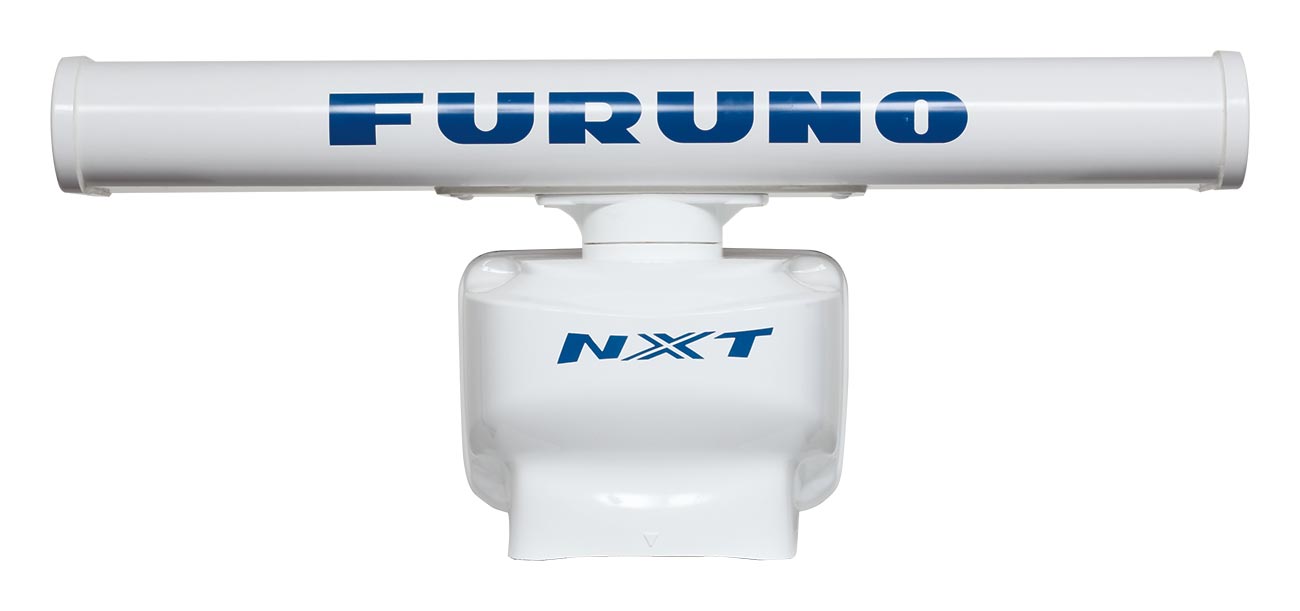
    I’m talking about Furuno Electric Co., Ltd (TSE: 6814). This company had its humble beginnings in Nagasaki, where it invented the world’s first practical fish finder to help locate schools of fish in the open water. While those roots are still strong, the technology Furuno sells to global shipping giants today has evolved into something much more complex.

    Their state-of-the-art product portfolio is essentially the “sensory nervous system” of the world’s most enormous vessels. Furuno offers a full suite of equipment that allows these ships to navigate safely and stay compliant with strict international maritime regulations:

    • Situational Awareness: High-end Radars and AR (Augmented Reality) Navigation Systems.
    • Digital Charting: ECDIS (Electronic Chart Display and Information System) and Chart Plotters.
    • Communication & Safety: Satellite equipment, Radiotelephones, and VDRs (the maritime equivalent of an airplane’s “black box”).
    • Automation: AIS (Automatic Identification System) and Autopilots.

    Beyond the massive container ships, their portfolio also caters to fishing vessels and high-end pleasure boats. This includes their world-class scanning sonars and, of course, the legendary fish finders that started it all.

    The Merchant Ship Market

    For large merchant ships, the list of regulatory requirements is long. At the top of that list is the mandate to carry functioning radar and ECDIS . These rules are primarily set by the International Maritime Organization (IMO), and they represent a formidable “moat” for Furuno.

    Because compliance with these international standards is non-negotiable, Furuno benefits from two distinct revenue streams:

    1. New Builds: Equipping brand-new vessels with the latest tech right out of the shipyard.
    2. Retrofitting: Upgrading older vessels with modern systems to keep them sea-worthy and legal.

    But this isn’t just about checking a box for regulators. By utilizing the latest navigational tools, operators can significantly improve efficiency. In today’s increasingly crowded shipping lanes, the demand for situational awareness and collision avoidance systems is no longer a luxury; it’s an indispensable part of modern seafaring.

    We are also seeing a shift similar to the automotive sector’s push toward self-driving cars. The development of autonomous vessels is set to revolutionize the shipping industry. When you couple this technological leap with a growing global trade market, you have a prosperous foundation for Furuno’s long-term growth.

    The Titans of the Sea: Who Uses Furuno? 

    To understand the scale of Furuno’s market, you have to look at the giants that build and operate the world’s fleet.

    The world’s shipbuilding is heavily concentrated in the “Big Three” nations: China, South Korea, and Japan. As we move through 2026, Chinese shipyards like CSSC (China State Shipbuilding Corporation) are expected to handle nearly 60% of global volume. Meanwhile, South Korean giants like HD Hyundai Heavy Industries and Samsung Heavy Industries continue to dominate the high-tech, high-value vessel market (like LNG carriers). For an investor, the fact that Furuno is the “default” choice for many of these shipyards is a massive vote of confidence.

    Once those ships leave the yard, they are handed over to the titans of global trade: companies like MSC (the world’s largest carrier with over 5.5 million TEU capacity), Maersk, and CMA CGM. These operators manage hundreds of ships that are constantly on the move. Every hour a ship spends in port or “dead in the water” due to a technical failure costs these companies tens of thousands of dollars.

    This is where Furuno’s real strength lies. They don’t just sell hardware; they provide a Global Service Network that spans over 79 countries. With 24+ wholly-owned subsidiaries and a web of over 45 national distributors, Furuno can meet a ship at almost any major port in the world.

    For an investor, this is the “sticky” part of the business. A ship operator is unlikely to switch to a cheaper competitor if that competitor doesn’t have a technician in Rotterdam, Singapore, or Panama ready to fix a radar at 2:00 AM in the morning.

    Furthermore, Furuno is leading the charge into digital service. Their HermAce platform allows for remote monitoring and “health checks” of a ship’s equipment while it’s still at sea. This transition from reactive repairs to predictive maintenance is exactly the kind of high-margin, tech-forward move that is taking place across many industries and generates reliable recurring revenue.

    The Competitive Waters: Giants and Disruptors

    Furuno may be a market leader, but it certainly doesn’t sail alone. The maritime electronics space is a crowded harbor, and Furuno faces a two-pronged challenge: holding off established global giants while fending off hungry new entrants. Furuno’s primary competition comes from a handful of engineering powerhouses that dominate different niches of the ship’s bridge:

    • Raytheon Anschütz (Germany): Their specialty lies in high-end gyrocompasses and integrated bridge systems, often favored for their extreme reliability.
    • Kongsberg Maritime (Norway): The leader in high-tech automation and offshore vessels; they are Furuno’s biggest threat in the R&D race toward autonomous shipping.
    • JRC – Japan Radio Co. (Japan): Furuno’s closest domestic rival, particularly strong in radio communication and IMO-compliant ECDIS.
    • Sperry Marine (USA/Northrop Grumman): A legacy player that holds deep relationships with many Western merchant fleets.
    • Wärtsilä Voyage & Navico (Simrad): Both are aggressive in the digital transformation space, focusing heavily on fleet optimization software.
    • Garmin (USA): While less of a threat in massive cargo ships, they are the primary rival in the lucrative “Pleasure Boat” and recreational fishing markets.

    For any maritime investor, China is the most important variable. As the world’s largest shipbuilder, China is a key market and it is where a bulk of new orders are generated. However, it is also their greatest strategic risk.

    There is a surge in Chinese domestic competitors like ONWA Marine, Ninglu Technology, and Nanjing Sky-Line. These companies have a distinct home-field advantage. They often benefit from “buy-local” industrial policies and, more importantly, they are competing aggressively on price.

    As of 2026, Furuno is navigating a difficult “pricing pressure” environment in the region. Between the 15% import tariffs on certain electronic components and the lower overhead of Chinese manufacturers, Furuno’s profit margins are being squeezed. For an investor, the “bull case” depends on Furuno proving that their superior global service network and high-end tech (like AR Navigation) are worth the premium price over a cheaper, locally-made Chinese alternative.

    Furuno’s Corporate Strategy for the Maritime Business

    While holding a 40% market share in the merchant vessel category is an incredible feat, Furuno’s management is well aware that “dominance” does not always equal “stability.” To understand the outlook of Furuno, we have to look at the headwinds facing the big-ship industry and how the company is pivoting to navigate them.

    The merchant vessel business has three main “anchors” that can drag on growth:

    • Extreme Cyclicality: The shipping industry is notoriously “boom or bust.” When global trade is up, shipyards are backed up for years; when it’s down, new orders vanish. For a hardware supplier like Furuno, this makes revenue lumpy and hard to predict.
    • The “China Factor”: As we’ve discussed, the rise of Chinese shipbuilders and domestic electronics competitors is creating fierce pricing pressure. As China pushes for “maritime self-reliance,” foreign players like Furuno have to fight harder for every percentage point of margin.
    • A Finite Market: There are only about 50,000 to 60,000 large merchant vessels in the world’s “blue water” fleet. While they are expensive to equip, the total number of customers is relatively small. You can only sell so many bridge systems to a finite number of megaships.

    In response to these merchant-market ceilings, Furuno’s 2026–2028 Mid-Term Management Plan has signaled a major strategic shift: Aggressive expansion into the Pleasure Boat segment.

    Why the shift? Unlike the cold, hard math of merchant shipping, the pleasure boat market (yachts, sport-fishing boats, and recreational cruisers) is driven by lifestyle and luxury.

    1. Scale: There are millions of pleasure boats worldwide compared to thousands of merchant ships. This provides a much larger, more diverse customer base.
    2. Brand Loyalty: In the recreational world, Furuno is a “prestige” brand. Recreational fishers, especially those based in the US place a lot of emphasis on the best products. The prize money of some fishing contests in the US, would justify buying the best equipment on the market. 
    3. Stability: While still tied to the economy, the high-end luxury market often remains resilient even when global freight volumes dip.
    4. Captains: As a ‘retirement’ employment a few of the merchant vessel captains transition to taking the helm at luxury yachts of wealthy individuals (they do have favorable credentials), and when given the choice, they will choose Furuno as reliable equipment.

    By leveraging their “world-class” tech, which was originally designed for the harshest merchant conditions, and shrinking it down for the recreational user, Furuno is building a business model that is far less dependent on the unpredictable tides of global cargo shipping.

    Furuno’s Terrestrial Business

    While the majority of Furuno’s business is generated in the maritime space, they have been able to cross-adapt some of their technology of high precision sensing and signal processing in terrestrial (i.e. land-based) applications. This helps diversify the income of Furuno, and counter balance the cyclical nature of the shipping industry. 

    At the heart of the industrial segment are Furuno’s GNSS (Global Navigation Satellite System) chips and modules. 

    Far from the standard GPS components found in a typical smartphone, Furuno’s specialization lies in the realm of high-precision timing. Which has  use cases for the next-generation satellite navigation technology operating in the low earth orbit (LEO), critical infrastructure, such as mobile base stations, commercial and defense radio communications, broadcasting, financial trading and much more. 

    GNSS spoofing and jamming (where signals are faked or blocked) have become a major global security concern. This has created a new high-margin market for Furuno.

    They have developed specialized anti-jamming and anti-spoofing modules that can tell the difference between a real satellite signal and a fake one. For clients like government agencies, data centers, and critical infrastructure, this is turning into a mandatory security requirement.

    With such a wide range of applications, their client base is accordingly quite vast, nevertheless it is difficult to distill exact companies that utilize their technology due to B2B confidentiality agreements. I will however try to name a few companies which may be procuring modules such as the GT-100: 

    • NTT: This is an ‘obvious’ company due to their co-developed algorithm which is fundamental to the GT-100 modules, and allows it to filter out interference in so-called ‘urban canyons’ (imagine being in downtown Tokyo or New York city surrounded by huge skyscrapers). Applications would be base stations deployments.
    • Fujitsu and NEC: Both of these companies operate in the open RAN segment, which require high-precision timing modules.  
    • Japan Meteorological Agency (JMA): The JMA’s nationwide network of seismographs requires time-stamping accuracy of within 1 microsecond to calculate an earthquake’s epicenter. Furuno’s GNSS timing devices currently hold the number one market share in Japan’s seismographic timing market (link). As earthquakes are not going to become less in Japan, this moat is literally built into the nation’s safety infrastructure.
    • Xona Space Systems:  Furuno is collaborating with the US based startup to integrate the GT-100 technology into next generation LEO satellites.
    • Tokyo Stock Exchange: The Furuno GT-100 module is a staple for “PTP Grandmaster” clocks that provide nanosecond-accurate timestamps required for high-frequency trading.  

    While the above examples of potential clients are by no means complete, it does highlight how broad Furuno’s client base is set up, and also the broad versatility of their products, bearing in mind this excerpt was just covering the GT-100 module.  

    While the previous passage highlights the potential of time sensitive applications, Furuno offers precision positioning modules that act as “high precision eyes” for various industrial applications that are tracking movement: RTK (Real-Time Kinematics) and Dual-Band GNSS. 

    In this segment, Furuno’s top tier chips are centered around two key modules:

    • eRideOPUS 9 (ePV9000B): This is their latest high-end chip. It is a “Dual-Band” receiver, meaning it listens to two different signals from each satellite (L1 and L5). This allows it to cancel out atmospheric interference. Even without a correction signal, it can achieve ~50cm accuracy, which is the best in its class for a standalone chip, but falls short of the precision of the competition, albeit relying on more complex setups. 
    • LG-2000 Series: These are Furuno’s RTK-enabled modules. They are designed for rugged, industrial use. They don’t just tell you where you are; they include built-in Dead Reckoning (DR) technology. If a robot moves under a bridge or into a tunnel where it loses satellite signal, the module uses internal sensors (gyroscopes and accelerometers) to extrapolate its position until the signal returns. 

    For these chips the competition is quite stiff, with some very worthy alternatives and depending on the use case  may range from a general applications to high-precision products: 

    •  u-blox (Switzerland): The ZED-F9P module is the current industry benchmark for low-cost, high-precision RTK. Furuno competes with u-blox by offering better interference rejection. Furuno chips are often better at staying locked onto a signal in “urban canyons” (tight city streets).
    • Septentrio (Belgium):  Mosaic-X5 modules are used in high-end scientific and industrial gear. They are more expensive than Furuno but offer extreme resilience against hacking and jamming.
    • Quectel (China): The “Price Disruptor.” They offer very cheap modules that are “good enough” for many consumer apps.

    Here again I would like to highlight some key industries and companies, which are likely to integrate some of Furuno’s precision position modules:

    • Agriculture: Companies like Kubota or Yanmar manufacture farming equipment that utilize high precision GNSS to enable auto-steering features. (Anybody who has seen the latest of Clarkson’s Farm will be familiar with the advantages) 
    • Infrastructure & Robotics: Companies like Komatsu or Hitachi Construction use guidance systems to provide centimeter-level accuracy for digging depth, generally within ±3 cm, allowing operators to achieve precise depths and grades without needing a surveyor on site. The system works in real-time, providing continuous feedback on the bucket’s position relative to the designed 3D model, ensuring accurate excavation.
    • Micro Mobility: Mobility sharing platforms (e.g. bikes or scooters) like Docomo Bike, Luup or others, use high-precision modules to enforce “geofencing”, and general location management for the fleet. 

    With the digitalization on the rise, it is not hard to see that the applications for precise location information are only likely to increase in a broad range of product categories, and with Furuno having already established itself as a strong partner in these areas, they have positioned themselves in a favourable position for future revenue.

    Financial Highlights

    Net Sales Development of Furuno from FY 2020 to FY 2026.

    Let’s dive into the “top-line” numbers. Between FY 2020 and the FY 2026 forecast, Furuno has seen overall revenue growth of approximately 80%. This translates to a CAGR (Compound Annual Growth Rate) of nearly 10%, which is a very respectable pace for an industrial leader.

    Revenue by different Business segments: WLAN&Handy Terminal, Industrial Business, Marine Business.

    When we break that revenue down, Furuno categorizes its business into three segments: Marine Business, Industrial Business, and Wireless LAN & Handy Terminals. The dominance of the Marine segment is clear, accounting for roughly 86% of total revenue in FY 2025. Historically, the Marine Business has outpaced the Industrial side in terms of growth. As an investor, this is a double-edged sword: you are buying into a market leader, but you are also highly exposed to the shipping cycle. This is precisely why Furuno is now aggressively targeting the US Pleasure Boat market, a clear move to diversify their revenue structure.

    Revenue by different geographical regions: Asia, Europe, Americas, Japan

    Geographically, Furuno enjoys a healthy global mix, which helps them weather isolated economic downturns. However, the “Asia” region has booked the most significant gains recently. While this is a growth driver, it also harbors the highest exposure to fluctuations in the Chinese market.

    Development of Operating Income and Net Margins from FY 2020 to FY 2026

    Finally, the most impressive part of the Furuno story is the expansion of the “bottom line.” Net profit margins have surged from a low of under 2% to consistently exceeding 10% over the last three years. What’s remarkable is that this margin expansion happened alongside revenue growth. This suggests strong operating leverage; Furuno is scaling its business efficiently without letting costs spiral out of control.

    Development of the Dividend Payouts (yearly) from FY 2020 to FY2026

    Finally, I would like to highlight the positive development of the dividends, which have increased in sync with the bottom line, and have even increased to 160 Yen in the most recent earnings release (April 2026), reaching a payout ratio of around 30%. This highlights the overall business success of higher income and higher growth.

    The Final Verdict: A Smooth Sail or Choppy Waters?

    Furuno Electric is a textbook “Hidden Champion.” They have successfully parlayed their 70-year dominance of the oceans into a critical role in the high precision sensing (GNSS) and autonomous infrastructure of tomorrow. However, the most exciting part of the story is the phase we are entering right now.

    As of April 2026, Furuno has officially entered Phase 3: “Transform” of its NAVI NEXT 2030 vision. Having reached its initial financial targets (¥120B in sales and 10% operating margins) several years ahead of schedule, management is now focused on one goal: building a business structure that is immune to market fluctuations.

    Through 2026 and beyond, this transformation centers on:

    • ROIC-Driven Management: A shift toward “Return on Invested Capital” to ensure that every yen spent on R&D for autonomous ships or defense tech is generating maximum value.
    • Expanding the “Land” Pillars: Accelerating the growth of the Industrial and GNSS segments to ensure the company doesn’t rely solely on the cyclical shipping industry.
    • Marine DX: Moving from selling hardware to selling “data solutions” through remote monitoring and predictive maintenance.

    The Bull Case:

    • The Unbeatable Moat: A 40% global market share in merchant vessels, protected by non-negotiable IMO regulations.
    • Operational Excellence: Expanding profit margins to >10% while simultaneously growing revenue shows incredible operating leverage.
    • Defence Spending: In line with the latest Japanese policy changes, Furuno is positioned to profit from the increased defence budget as well as the relaxed exporting regulations for military equipment. 

    The Bear Case:

    • The China Squeeze: Domestic Chinese competitors and pricing pressure remain a constant threat in the world’s largest shipbuilding hub.
    • Macro Dependency: While diversifying, the Marine segment still accounts for ~86% of revenue, making the stock sensitive to global trade hiccups.

    The Bottom Line

    As we look at the numbers in April 2026, Furuno is trading at a P/E ratio of approximately 13.8x. When compared to global high-tech peers like Garmin (which often trades well above 20x), Furuno still looks significantly undervalued. 

    For investors seeking a “pick and shovel” play on global trade, GNSS digitalization, and the future of autonomous transport, Furuno Electric (TSE: 6814) offers a rare mix of legacy stability and high-tech growth. It is a Nagasaki-born champion that has truly found its “lane” on both sea and land.


    Disclaimer: This article is for informational and educational purposes only and does not constitute financial, investment, or professional advice. While the data presented is based on public earnings reports and market analysis available as of April 2026, market conditions can change rapidly. The author holds no responsibility for any financial losses resulting from the use of this information. Always conduct your own due diligence or consult with a certified financial advisor before making investment decisions.

  • Understanding Mercari’s Success in Japan

    Understanding Mercari’s Success in Japan

    Mercari launched in Japan around the time I was finishing university in Tokyo (2013/2014). At that time, I didn’t have any personal experience with the platform; my journey only started a few years later, around 2018. Back then, I had the wild notion that I could make some quick money on the side by buying discounted items—often shoes—at outlet stores and reselling them via the Mercari marketplace.

    The C2C (consumer-to-consumer) concept was not new to me, as I grew up in the era of eBay and similar sites. However, as is often the case with Japanese products, Mercari perfected an existing business model and shaped it into something that works significantly better for their domestic market.

    Strong Privacy Measures

    The system prioritizes the privacy of both the buyer and seller. Most notably, names and addresses are never shared between the parties. Because Mercari acts as a middleman, they handle both the payment processing and the logistics.

    For a seller, the process is incredibly streamlined: you simply pack the item and take it to a local convenience store. There, you present a QR code from the app, and the clerk prints a shipping label containing only a barcode. The transaction is completely anonymous, reducing friction and safety concerns. Payment is also integrated; funds are automatically collected and released once the buyer confirms the contents of the package.

    Mobile-First Approach

    With the global rise of smartphone usage, many users began to prefer C2C platforms that offered an intuitive mobile UX/UI. While older platforms like Yahoo! Auctions already existed, Mercari focused early on building an app specifically for a mobile-first environment. This strategy paid off substantially. Because an item can be listed in just a few minutes, the barrier to entry was lowered for millions of casual users.

    When browsing through the various product categories, you quickly realize that true gems can be found and that popular search trends shift with the seasons. For example, in March—the height of the hay fever and pollen season—searches for air purifiers are highly ranked. While this information may seem quite obvious, it reflects how mainstream Mercari has become as an alternative to traditional channels, such as e-commerce giants like Amazon and Rakuten or traditional brick-and-mortar stores.

    The Community

    Community is the lifeblood of any C2C marketplace; without an active user base, the model collapses. According to 2025 data, Mercari reached approximately 23 million monthly active users (MAU), capturing nearly 50% of the C2C market share in Japan.

    As the platform continues to thrive, it is becoming the “default” choice for Japanese consumers. I see two primary developments for Mercari in the short to medium term:

    1. User Growth: Monthly active users will likely increase further as Mercari absorbs users from smaller, secondary platforms, as well as new users abroad.
    2. Inventory Expansion: The range of items will expand, both in total volume and in the availability of high-ticket items, as the community develops deeper levels of mutual trust.

    The Macroeconomic Environment

    The macroeconomic environment is a huge factor supporting the market growth for Mercari. Since the onset of the Covid-19 pandemic, the Japanese currency has decreased by approximately 30% in value compared to the US dollar. This has significant implications for regular Japanese citizens; because Japan is an island nation with limited natural resources, a vast majority of its consumer products are imported.

    While large exporting companies may profit from a weaker yen, the average consumer must spend more on everyday items. This has caused the Japanese consumer to become more cost-conscious, as well as more likely to explore new avenues for generating additional income. In this climate, Mercari serves as both a source for affordable goods and a tool for supplemental earnings.

    Stock Performance and Business Structure

    The following TradingView screenshot highlights the development of Mercari’s stock from approximately January 2025 to the beginning of April 2026. Since the end of 2025, the stock has undergone a massive growth period of around +80%.

    Expanding the Ecosystem

    Looking at the earnings reports from the last few years, one begins to understand the strategic decisions that positioned Mercari so favorably:

    • B2C Expansion (Mercari Shops): Mercari created a new channel for companies to sell products directly. This has been especially beneficial for professional resale companies, allowing them to tap into the existing community and significantly boosting the platform’s GMV (Gross Merchandise Volume).
    • Cross-Border Transactions: Launched in August 2024, this service enables overseas buyers to purchase goods directly from Japan. Starting with Taiwan and Hong Kong, Mercari plans to expand this service to 50 countries and regions.
    • AI Integration for Users: Listing speed has been further enhanced by “AI Listing Support,” which automatically generates product descriptions and suggests suitable price ranges based on a single photo.
    • AI-Native Internal Approach: The launch of an internal “AI Task Force” has accelerated the adoption of AI-powered productivity tools and governance, leading to both product innovation and significant gains in organizational efficiency.

    For the Mercari marketplace, the two primary metrics are GMV (Gross Merchandise Volume) and MAU (Monthly Active Users), both of which reached record highs in the latest 2026 Q2 earnings report.

    However, a closer look at historical development reveals a diverging trend. While MAU has largely leveled off, settling at approximately 23 million monthly active users, the GMV metric has continued to grow substantially. For 2026 Q2, GMV reached 329.1 billion yen, marking an 11% year-over-year increase.

    Because the MAU hasn’t increased at the same rate as the transaction volume, this trend indicates a significant shift in user behavior. It suggests that existing users are either purchasing higher-priced items or increasing their transaction frequency. This evolution from “expanding the user base” to “deepening user engagement” is a clear sign of a maturing and highly efficient ecosystem.

    Metric2024 Q2 2026 Q2Growth
    GMV280.9B yen329.1B yen+17%
    MAU23.5M23.6M+0.4%
    Avg. Volume per User11,953 yen13,944 yen+17%
    Table 1: Comparision of GMV and MAU over 2 years.

    The Fintech Business

    Beyond their marketplace, Mercari has entered the lucrative but highly competitive fintech space with Merpay, Mercard, and Mercoin. While the core operating profit in this segment hovers around 1.8 billion yen (2026 Q2)—roughly 13–14% of their total core operating profit—it has become a steady driver of growth within an ever-growing ecosystem.

    The fintech revenue is categorized into three segments: Credit, Payment, and Others (which includes Mercoin, withdrawal fees, and card reissuance). Of these, the Credit segment has seen the most dramatic trajectory, rising from 4.5 billion yen in 2024 Q2 to 9.3 billion yen in 2026 Q2. Meanwhile, payment revenue has remained stable, fluctuating between 4 and 5 billion yen. This shift reflects a deliberate strategic focus on high-margin financing services:

    • Mercard (Credit Card): Launched in late 2022, Mercard reached over 3 million issued cards by mid-2024. It is the centerpiece of their loyalty program. Official reports highlight that Mercard users have a significantly higher ARPU (Average Revenue Per User) and higher listing frequency than non-users, effectively “locking” users into the ecosystem.
    • Credit Balance Accumulation: Mercari has focused on growing its “fixed-amount payment” (revolving credit) and Smart Money (small-sum loans) balances. In FY2025, the company noted that interest income from these credit balances has become a stable contributor to core operating profit. For their 2026 Q2 earnings report their credit balance stands at 300.7 billion yen, with a 41% YoY growth.
    • Asset Liquidation: To manage the balance sheet while growing the credit business, Merpay has engaged in the liquidation of receivables (selling off portions of its credit book), a sophisticated move to maintain capital efficiency.
    Segment2024 Q2 Revenue2026 Q2 RevenueGrowth
    Credit4.5B yen9.3B yen+107%
    Payment4.8B yen4.8B yen±0%
    Table 2: Comparision of Credit and Payment revenue.

    Breaking into the US market

    From a business standpoint, the US expansion is arguably the company’s most critical project, yet it has seen very limited progress over ten years. Mercari launched its US business in September 2014 with the ambitious objective of becoming the “global standard” for C2C marketplaces, aiming to eventually grow the US division to be larger than its Japanese counterpart. Unfortunately, this has not panned out as planned, and the US branch has remained a persistent headache for their earnings reports.

    Customer Acquisition Cost (CAC) is the key metric that highlights Mercari’s struggle in the United States. In Japan, “Mercari” has become synonymous with the act of buying or selling second-hand goods. In contrast, the fragmented US market has required significantly higher marketing spend to build an initial community. Furthermore, Mercari faces stiff competition from established services fighting for the same user base, making it difficult to achieve the same organic “flywheel effect” seen in its domestic market.

    Nevertheless, Mercari’s perseverance in the US indicates a commitment to long-term thinking. In a massive milestone for 2026 Q2, the US business generated a positive core operating profit of 0.6 billion yen (up 0.8 billion yen YoY). This proves that the US operation can finally survive on its own merits without being subsidized by the Japanese marketplace.

    Outlook of Mercari

    Looking at the fundamentals, Mercari has positioned itself favorably for further expansion. However, the company faces distinct challenges across its core business segments:

    • The Japanese Marketplace: While Mercari continues to post record-breaking numbers for GMV and MAU, these figures must be viewed with caution due to the high saturation of the Japanese market. To sustain growth, Mercari must expand their user base and focus on increasing purchasing frequency and average transaction value. The steady rise in GMV—reaching a record 329.1 billion yen in 2026 Q2—suggests that users within the ecosystem are engaging more deeply with the platform than ever before.
    • International Markets (Excluding the US): Expanding into surrounding regions is the logical next step for growth. By launching direct transactions in Taiwan (2024) and Hong Kong (2025), Mercari is effectively testing a “lighter” go-to-market model. The success of these regions in the coming quarters will determine if Mercari can successfully export its frictionless “Japan-style” C2C experience to the rest of Asia.
    • Fintech Business: This remains a brilliant strategic pivot to capitalize on brand trust. While the fintech segment is still in its growth phase, establishing a foothold now through Mercard and Merpay will yield significant dividends as mobile payments and consumer credit continue to normalize in Japan.
    • The US Expansion: The US market remains a high-stakes gamble. Mercari is currently caught between the massive upside of a successful American footprint and the reality of a hyper-competitive landscape where they are only just reaching profitability. The recent achievement of a 0.6 billion yen core operating profit in the US (2026 Q2) is a massive milestone, proving the model can be self-sustaining. However, a strategy of dominating smaller, “test” markets before another major US push might provide the insights needed for long-term dominance.

    Overall, I see Mercari very positively at the moment as well as in the short- to middle term, and I would recommend every potential investor considering to invest into Mercari to make their own research into this company.


    Disclaimer: This article is for informational and educational purposes only and does not constitute financial, investment, or professional advice. While the data presented is based on public earnings reports and market analysis available as of April 2026, market conditions can change rapidly. The author holds no responsibility for any financial losses resulting from the use of this information. Always conduct your own due diligence or consult with a certified financial advisor before making investment decisions.